
Explore the Rich History of South Dakota: Discover Its Famous Landmarks and Historical Sites!
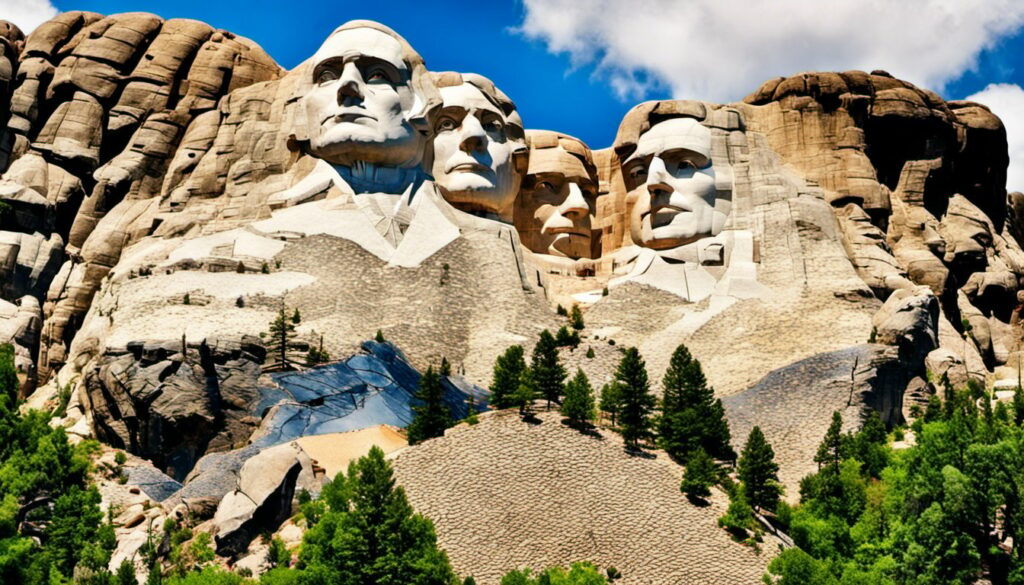
Each face on Mount Rushmore is approximately 60 feet tall. The monument spans 1,278.45 acres. The faces are George Washington, Thomas Jefferson, Theodore Roosevelt and Abraham Lincoln. The project took 14 years and over 400 workers were involved in the construction. Gutzon Borglum was the sculptor, working with his son Lincoln Borglum. Over two million people visit annually. The National Park Service operates and maintains the memorial. Wounded Knee National Historic Landmark covers 870 acres and was designated in 1965, in the southwestern part of the state. Over 200 Lakota Sioux men, women and children were killed there by the US Army in 1890. A cemetery holds many of them. The museum tells it. Both sites are in South Dakota.


South Dakota holds its history in the open. Historical sites and famous landmarks are spread across the state, from the Mount Rushmore National Memorial to the lesser-known Wounded Knee National Historic Landmark. The two sit at opposite ends of the same story. Both are worth the drive.
Mount Rushmore National Memorial is carved into the Black Hills of South Dakota. The sculpture shows the faces of four American presidents. It was made as a tribute to the nation’s history and democracy. The Crazy Horse Memorial stands in the same hills. It honors the legacy of the Native American warrior and the culture of the Lakota people.
Deadwood is the third of the famous landmarks. This historic city played a significant role in the state’s gold rush era, and its museums, historic sites and casinos carry the Wild West history of the region. National parks and monuments, Native American history and culture, and the state’s role in the Cold War era make up the rest of what South Dakota has to show.
Key Takeaways
- South Dakota is home to numerous historical sites and famous landmarks, including Mount Rushmore National Memorial and the Crazy Horse Memorial.
- The historic city of Deadwood offers visitors a glimpse into the state’s gold rush era and Wild West history.
- Whether you’re interested in exploring national parks and monuments, learning about Native American history and culture, or discovering the state’s role in the Cold War era, South Dakota has something for everyone.
Mount Rushmore National Memorial


The Mount Rushmore National Memorial is in the Black Hills of South Dakota. The sculpture shows the faces of George Washington, Thomas Jefferson, Theodore Roosevelt and Abraham Lincoln. It represents the birth, growth, development and preservation of the United States.
Over two million visitors come to Mount Rushmore each year, from across the country and from around the world. The memorial is a significant landmark in the United States. The National Park Service operates and maintains it.
Each face is approximately 60 feet tall. The monument spans 1,278.45 acres. Gutzon Borglum was the sculptor, working with his son Lincoln Borglum. The project took 14 years. Over 400 workers were involved in the construction process.
Ranger programs cover the history of Mount Rushmore and the surrounding Black Hills. The memorial also holds an extensive museum on the making of the monument and on the presidents it honors.
Mount Rushmore National Memorial holds a fixed place in how America tells its own history. A visit takes most of a day with the museum and the ranger programs included.
Crazy Horse Memorial


The Crazy Horse Memorial is a tribute to the Lakota leader Crazy Horse. It is among the recognizable landmarks in South Dakota, and it carries cultural weight the others do not.
The monument is a mountain carving. It depicts Crazy Horse riding a horse and pointing to his tribal land. Korczak Ziolkowski started the work in 1948 and it has continued since. It is still under construction. When complete it will be the largest mountain carving in South Dakota and the world.
The Crazy Horse Memorial is also a symbol of Native American culture and a record of what the Lakota people have faced over the years. It stands in the Black Hills. That region of South Dakota is sacred to the Lakota.
Exhibits and programs at the Crazy Horse Memorial cover the history of the monument and of the Lakota people. A museum holds Native American art and artifacts. A cultural center hosts events and performances throughout the year.
The Crazy Horse Memorial matters to anyone reading South Dakota history or Native American culture. The scale and significance of it are difficult to take in from photographs. Go and stand in front of it.
Historic City of Deadwood


Deadwood, South Dakota was a gold rush town, established in 1876. It is now a National Historic Landmark District. The street plan and the buildings are much as they were in the Wild West.
Deadwood held gamblers, outlaws and tough sheriffs, and it looked the part of a Western movie set. Wild Bill Hickok and Calamity Jane both spent time on these streets. You can walk the same ground and work out what life in the nineteenth century here was like.
Deadwood’s brothels and saloons are part of the record. Many of these establishments have been preserved and are open to visitors. Wild Bill Hickok was killed at Saloon No. 10. A brothel museum covers that side of the town’s past.
Deadwood holds more than the Wild West story. The Adams House is a Victorian mansion that was once home to one of the town’s prominent families. A tour covers the architecture and the family’s history.
Mount Moriah Cemetery holds many of Deadwood’s known residents. Wild Bill Hickok and Calamity Jane are both buried there. Visitors can go to the gravesites.
The Historic City of Deadwood is the place to go for the gold rush era and the Wild West. Its preserved saloons, brothels and other historic sites make the period legible in a way that reading about it does not.
National Parks and Monuments


South Dakota holds several national parks and monuments. The land runs from rugged badlands to rolling prairies. These are the ones to plan around:
Badlands National Park


Badlands National Park is rugged rock formations, deep canyons and expansive prairies. Bison, bighorn sheep and pronghorn antelope all live in the park. Hiking trails, campgrounds and scenic drives run through it.
Wind Cave National Park


Wind Cave National Park holds one of the longest and most complex caves in the world. A guided tour covers the formations and the history of the cave. Bison, elk and pronghorn antelope live above ground.
Custer State Park


Custer State Park encompasses over 71,000 acres of rolling hills, granite peaks and scenic drives. Bison, elk and pronghorn antelope live across it. Hiking trails, campgrounds and fishing spots are spread through the park.
Jewel Cave National Monument


Jewel Cave National Monument holds one of the longest caves in the world. A guided tour covers the formations and the history. Bison, elk and pronghorn antelope live in the surrounding country.
Minuteman Missile National Historic Site


Minuteman Missile National Historic Site covers the history of the Cold War. Visitors can tour a former missile silo. The site explains the part South Dakota played in the arms race.
Mount Rushmore National Memorial


Mount Rushmore National Memorial is the landmark most people know. The granite sculpture depicts George Washington, Thomas Jefferson, Theodore Roosevelt and Abraham Lincoln. Hiking trails run through the park, and the visitor center covers the history of the monument.
Hiking, camping, wildlife and history are all covered by South Dakota’s national parks and monuments. Pack for weather in both directions and go.
Wounded Knee National Historic Landmark


The Wounded Knee National Historic Landmark is in the southwestern part of South Dakota. The Wounded Knee Massacre took place there in 1890. Over 200 Lakota Sioux men, women and children were killed by the US Army. The site matters to anyone reading Native American history.
Wounded Knee covers 870 acres and was designated a National Historic Landmark in 1965. A cemetery on the site holds many of those who were killed. A museum tells the story of the event and the history of the Lakota Sioux people.
The museum at Wounded Knee National Historic Landmark covers the culture and history of the Lakota Sioux, including their struggles with the US government and their work to preserve their traditions and way of life. The events leading up to the massacre are set out, as is what followed.
A guided tour of Wounded Knee National Historic Landmark stops at the cemetery, the museum and other important locations. The guides know the history and will answer questions about what took place there.
A visit to Wounded Knee National Historic Landmark takes time and should be given it. What the site records is part of the history of the Native American people and of the country.
Custer State Park encompasses over 71,000 acres. Rolling hills, granite peaks and scenic drives fill it. Badlands National Park holds rugged rock formations, deep canyons and expansive prairies. Hiking trails, campgrounds and scenic drives run through both. Wind Cave National Park and Jewel Cave National Monument hold two of the longest cave systems in the world. Cave tours are guided. The Black Hills lie west of the Badlands. Bear Butte is a mountain in that region and it is sacred to many Native American tribes. A trail reaches the summit. Bison, elk and pronghorn antelope use this ground. Summers are hot and humid. Winters are cold and snowy. Check the forecast before you go.
Historical Sites in South Dakota


South Dakota holds historical sites across the whole state, from ancient archaeological sites to modern-day museums. These are the ones that carry the most weight:
Bear Butte is a mountain in South Dakota that is sacred to many Native American tribes. It has been a place of worship for centuries. It was designated as a state park in 1961 and a National Historic Landmark in 1981. A trail reaches the top, with the surrounding landscape in view from there.
The Minuteman Missile National Historic Site tells the story of the Cold War and the role South Dakota played in it. A tour covers the underground missile silos, the technology and the strategies used during that period of American history.
The South Dakota State Capitol stands in Pierre. The building was completed in 1910 and is listed on the National Register of Historic Places. A guided tour covers the building and the state’s legislative process.
South Dakota also holds several historic districts, among them the Roberts Prairie Dog Town and the Corn Palace in Mitchell. The Corn Palace carries murals made entirely of corn. It has drawn visitors since it was built in 1892.
Other historic landmarks, museums and state parks are spread across South Dakota. The Lewis and Clark Expedition, the Missouri River, and the rolling hills and rock formations that make up South Dakota’s landscape all have sites attached to them.
Native American History and Culture


Nine Native American tribes live in South Dakota, each with its own history and culture. The Lakota people are among the most widely known. Their history and the history of South Dakota cannot be separated.
The Pine Ridge Indian Reservation in South Dakota is home to the Oglala Lakota Nation and is the second-largest reservation in the United States. Visitors can learn the history of the Lakota people there, attend traditional powwows, and see the artwork and crafts made by Native American artisans.
The Akta Lakota Museum & Cultural Center is in Chamberlain. It sets out the Native American way of life, past and present. The site holds a mini-theater, interactive displays, English-Lakota descriptions, an outdoor Medicine Wheel Garden and a gift shop carrying Native American-made products.
The Cultural Heritage Center in Pierre covers the various tribes that have called South Dakota home. Its collection holds artifacts and artwork left behind by Native American people.
A reservation, a museum or a cultural center will each give a different view of the history of the Lakota people and of the other Native American tribes in South Dakota. All three are open to visitors. Each adds to an understanding of Native American culture here.
Exploring South Dakota


South Dakota holds historical sites and famous landmarks across the state. It also holds prairies, wildlife and national parks. Between them there is enough to fill a week without repeating anything.
Walkers get a lot out of South Dakota. Badlands National Park, Wind Cave National Park and Custer State Park all carry trails, and the scenery across them changes quickly. The National Park Service runs guided tours covering the history and the geology of the area.
Camping puts you closer to it. South Dakota has campsites with the prairie and its wildlife in view. Fishing in the many lakes and rivers and horseback riding are both available.
Mount Rushmore National Memorial is the landmark most visitors to South Dakota come for. Four great American past presidents are carved into the mountain. The Crazy Horse Memorial is the other, a 60-foot sculpture of a legendary leader emerging from granite and iron.
For history, the Minuteman Missile National Historic Site and the South Dakota State Capitol are the two to start with. Several other sites are within a day’s drive of either.
The landscapes, the wildlife and the historical sites are what South Dakota offers. A week here covers a lot of ground, and not all of it is comfortable reading.
South Dakota in the Cold War Era


During the Cold War era, South Dakota held a significant place in the defense of the United States. With the threat of nuclear war, the state became home to several military installations. A number of them are now historic sites.
The Minuteman Missile National Historic Site is the main one from that period. It sets out the Cold War and the part nuclear missiles played in the defense of the United States. A tour covers the Launch Control Facility and the Delta-09 missile silo.
South Dakota also held several Air Force bases during the Cold War, among them Ellsworth Air Force Base. That base was central to the defense of the United States at the time and remains an important military installation today.
During World War II, South Dakota held several military installations. Airfields were used for training pilots and for transporting troops and supplies. The Rapid City Army Air Base was among the most significant, used for training B-17 bomber crews.
South Dakota also held sites tied to the nuclear arms race. Missile silos in the state housed nuclear missiles. The state had a part in the development of nuclear weapons during the Cold War.
From missile silos to airfields, South Dakota carried a real share of the defense of the United States through the Cold War era. The sites that remain are open and documented.
Visitor Information


A trip to South Dakota’s historical sites and famous landmarks needs some planning. The Mount Rushmore National Memorial, the Crazy Horse Memorial and the Minuteman Missile National Historic Site are among the most iconic monuments in the United States, and they shape most itineraries.
Start at one of the many visitor centers across the state. They are staffed by knowledgeable locals who know the ground and will tell you where to eat, sleep and shop as well as where to go.
In addition to visitor centers, many counties in South Dakota have their own tourism websites that offer valuable information for travelers. For example, Hanson County’s website provides information on local attractions, accommodations, and events, while the Chamberlain/Oacoma Area Chamber of Commerce website offers information on things to do in the area.
Accommodations in South Dakota run from budget-friendly motels to luxurious resorts. In Spearfish, the Spearfish Canyon Lodge offers cozy cabins with the surrounding Black Hills in view.
South Dakota gets a wide spread of weather conditions across the year. Summers can be hot and humid. Winters can be cold and snowy. Check the forecast before you arrive, because it decides what is reachable.
Frequently Asked Questions
What is the significance of Mount Rushmore National Memorial?
Mount Rushmore is a famous landmark in South Dakota. The faces of four American presidents are carved into the granite mountainside. They are George Washington, Thomas Jefferson, Theodore Roosevelt and Abraham Lincoln. The monument was created to celebrate the country’s history and democracy. It has become a symbol of American patriotism.
What other famous landmarks are there in South Dakota?
In addition to Mount Rushmore, the Crazy Horse Memorial, the Corn Palace and Badlands National Park are the other famous landmarks in South Dakota. Each carries its own history and significance. All three are worth the detour.
What are some interesting historical facts about South Dakota?
South Dakota’s history runs back thousands of years. The state is home to several Native American tribes, among them the Lakota, Dakota and Nakota Sioux. It was also a hub for cowboys and gold miners in the Wild West period. Laura Ingalls Wilder, the poet and author, was born in the state.
Who are some famous people from South Dakota?
South Dakota has produced a number of notable figures throughout history. They include the former US Senator and presidential candidate George McGovern, the actor and comedian Adam DeVine, and the musician and actor Tom Brokaw.
What are some scenic attractions to visit in South Dakota?
The Black Hills National Forest, Spearfish Canyon and the Missouri River are the scenic attractions in South Dakota worth the time. Each opens up a different part of the state’s natural beauty.
What natural resources can be found in South Dakota?
South Dakota holds gold, silver and other precious metals. The state also has several large oil and gas fields, which makes it a real presence in the energy industry. Large agricultural operations produce crops such as corn, soybeans and wheat.
Frequently asked questions about Historical Sites and Famous Landmarks in South Dakota
What is the significance of Mount Rushmore National Memorial?
The sculpture depicts four US presidents: George Washington, Thomas Jefferson, Theodore Roosevelt and Abraham Lincoln. It represents the birth, growth, development and preservation of the United States. The memorial was created to mark the country’s history and democracy. It is a symbol of American patriotism. The Black Hills, into which it is carved, are sacred to the Lakota people. Both things are recorded.
Should you visit Badlands National Park or Custer State Park first?
Badlands National Park first. Morning. The rock formations show more before the light goes flat, and the scenic drives are quieter then. Custer State Park takes the afternoon. Wind Cave National Park and Jewel Cave National Monument run guided tours that set their own pace. Book those around the two parks.
Where is the Wounded Knee National Historic Landmark in South Dakota?
The site lies in the southwestern part of the state. It covers 870 acres. It was designated a National Historic Landmark in 1965. A cemetery holds many of the people killed there in 1890, and a museum tells the history of the Lakota Sioux. Guided tours stop at the cemetery, the museum and other locations. Allow a full morning. The drive out is long and this is not a site to rush.
More about South Dakota


