

Excitedly Exploring Historical Sites and Famous Landmarks in Maine
The Portland Observatory was built in 1807 and it is the only remaining maritime signal tower in the whole country. Portland Head Light has been guiding the ships into Portland Harbor right since the whole year of 1791. Acadia National Park covers over 49,000 whole acres of the ground right out there. The Old York Gaol was built right back in the year 1719. Drive the coast.


Maine carries a long history and the sites are spread right across it, which makes this a driving trip. Portland’s landmarks through to Augusta’s historic sites, the state runs attractions for history people and for anybody who just wants a good road. Historical museums, historic houses or the maritime past, all of it is out there.
The lighthouses are the most popular stop in Maine. They sit along the coastline with the Atlantic Ocean behind them. Maine also holds historic forts, which mattered in the state’s early years. And for historic districts and structures there are plenty, from small downtowns to grand old mansions.
History person or somebody after a day out, Maine’s historical sites and landmarks are worth the drive. National parks and trails through to historical gardens, there is more here than one trip will hold. Pack the bags.
Key Takeaways
- Maine is home to a wide range of historical sites and famous landmarks, including lighthouses, forts, and historic districts.
- Visitors can explore historical museums, historic houses, and Maine’s maritime heritage.
- The state’s natural beauty is also on full display, with national parks and trails, historical gardens, and more to explore.
Portland Historic Landmarks


Portland gives history people plenty. Museums through to historic houses, the landmarks stack up. These are the historic sites to make time for in Portland, Maine.
Portland Observatory

The Portland Observatory is a historic tower once used to watch ship traffic in Portland Harbor. Built in 1807, it is the only remaining maritime signal tower in the United States. Climb it and the city and the harbor open out below.
Portland Museum of Art

For art, the Portland Museum of Art is the stop. The museum holds an extensive collection of American and European art alongside contemporary work and photography. Winslow Homer, Edward Hopper and Claude Monet are all in there.
Wadsworth-Longfellow House

The Wadsworth-Longfellow House is the childhood home of the poet Henry Wadsworth Longfellow. Built in 1785, it is among the oldest standing structures on the Portland peninsula. The guided tour covers the history of the Longfellow family.
Victoria Mansion
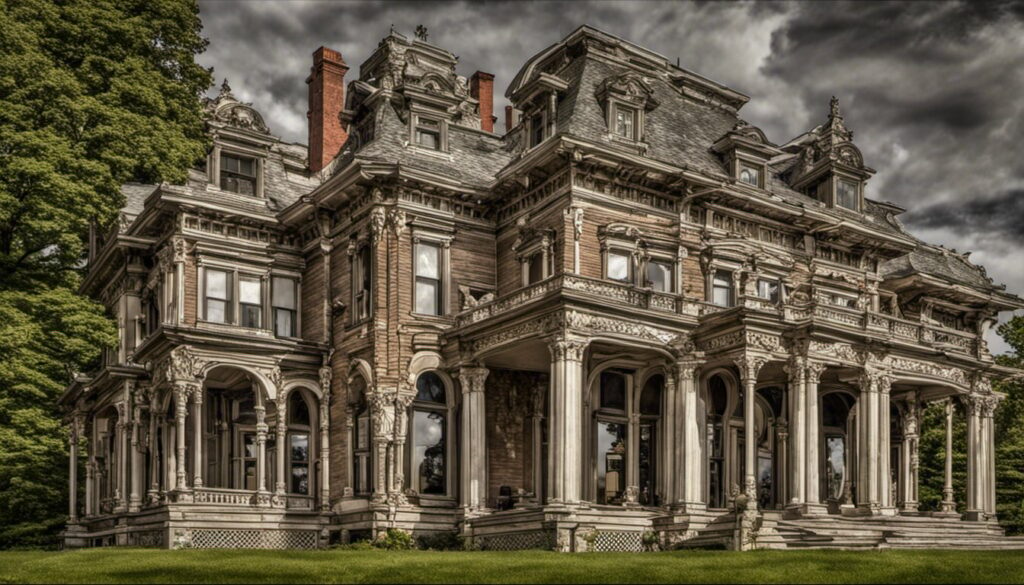
The Victoria Mansion is a serious piece of Italianate architecture. Built in 1860, it started as a summer home for a wealthy Portland family. The guided tour puts you through the furnishings and the decoration.
Neal Dow House

The Neal Dow House was the home of Neal Dow, a prominent temperance advocate and politician. Built in 1829, it is now a museum covering the history of the temperance movement in Maine.
McLellan-Sweat Mansion

The McLellan-Sweat Mansion is a Victorian-era home built in the 1800s. It is now a museum covering the history of Portland’s wealthy families through the 19th century. The guided tour covers the lives of the McLellan and Sweat families.
Tate House

The Tate House was built in 1755 by Captain George Tate, a prominent merchant in colonial Maine. The house is a strong example of Georgian architecture and it opens for guided tours.
Those are a few of the historic landmarks in Portland. Architecture, art or history, this city has a version of it.
Historic Sites in Augusta


History people have plenty to work through in Augusta, Maine. These are the two sites to add to the route.
Kennebec Arsenal

The Kennebec Arsenal was once a military armory. It was built in 1828 and used to store weapons and ammunition during the Civil War. It is now a museum covering the history of the Kennebec region and its part in that war.
At the Kennebec Arsenal you see the original brick buildings used to store weapons. The museum exhibits hold Civil War-era artifacts, including firearms, swords and uniforms.
Fort Halifax

Fort Halifax was built in 1754. It was designed to protect the Kennebec River Valley from French and Indian attacks during the French and Indian War. It is now a tourist stop and it gives you Maine’s colonial past directly.
At Fort Halifax you walk the grounds and see what is left of the original fortifications. The history of the fort and its part in protecting the Kennebec River Valley during the French and Indian War is set out on site.
Augusta, Maine holds some of the more interesting historic sites in the state. The Civil War or Maine’s colonial past, the Kennebec Arsenal and Fort Halifax cover both.
Historical Museums


For Maine’s history there are several museums worth the drive. These are the two.
Maine Maritime Museum

At the Maine Maritime Museum you pick up Maine’s maritime past and the part it played in making the state. The museum holds a collection of over 20,000 artifacts, ship models and paintings and navigational instruments among them. The tour of the historic shipyard shows how wooden boats were built in the 19th century.
Bowdoin College Museum of Art

The Bowdoin College Museum of Art holds a collection of over 20,000 works, paintings and sculptures and decorative arts among them. Winslow Homer, John Singleton Copley and Edward Hopper are all represented. The museum sits on the Bowdoin College campus and it costs nothing to enter.
Both museums give you Maine’s history and culture directly. Maritime history or art, something in them will hold you. Plan the visit.
Historic Houses


Maine holds a lot of historic houses and they carry the state’s past better than any plaque. Colonial-era homes through to Victorian mansions, they show who built this place. These are the ones not to drive past.
Winslow Homer Studio

The Winslow Homer Studio is the one for art people. This small studio was the workspace of Winslow Homer, one of America’s greatest painters. You tour it and stand where he made some of his best-known work. It sits in Prouts Neck, a coastal community just outside Portland.
Harriet Beecher Stowe House

The Harriet Beecher Stowe House was the residence of Harriet Beecher Stowe, the author of Uncle Tom’s Cabin. The house sits in Brunswick and opens for tours. You walk through the rooms where she wrote the novel.
Hamilton House

The Hamilton House is a well-preserved Georgian mansion built in the 1780s. It sits in South Berwick and opens for tours. The period furnishings and decoration are the reason to go, and the gardens are worth some extra time.
Lady Pepperrell House
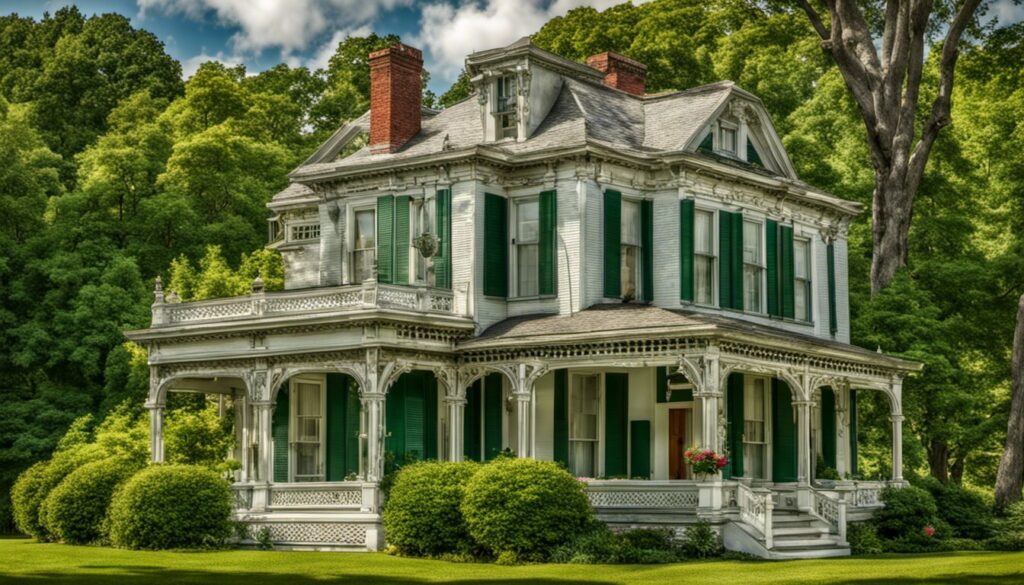
The Lady Pepperrell House was the residence of Lady Mary Pepperrell, wife of Sir William Pepperrell, a prominent colonial military leader. The house sits in Kittery Point and opens for tours. The period furnishings and decoration are intact.
Sarah Orne Jewett House

The Sarah Orne Jewett House is a well-preserved Victorian home once lived in by the author Sarah Orne Jewett. It sits in South Berwick and opens for tours. The period furnishings hold up, and there is a garden worth walking.
Those historic houses are a few of the landmarks in Maine carrying the state’s past. Art person, history person or somebody after something different, all of them earn the stop.
Historic Forts


Maine holds several historic forts and they cover the state’s past from different angles. They were built in different periods and for different reasons, from foreign invasion to internal threats. Fort Kent and Fort Winslow are the two most prominent.
Fort Kent

Fort Kent was built in the early 19th century to protect the northern border of Maine from potential British invasions. It was named for the governor of Maine at the time, Edward Kent. It is now a tourist stop and a National Historic Site. The barracks, powder magazine and officer’s quarters are all well preserved, and the St. John River and the wilderness run out below it.
Fort Winslow

Fort Winslow is the other one in Maine, and it played a real part in protecting the state’s coast during the American Revolution. The fort was built in 1759 and named for General John Winslow. It was a base for American troops during the Revolutionary War and later a prison during the Civil War. It is now a National Historic Landmark, with the barracks, gun batteries and powder magazine all preserved.
Maine’s historic forts give you the state’s past and the part it played in the country’s. History person or somebody after a good day trip, Fort Kent and Fort Winslow are the two to drive to.
What does a state this old actually have left standing out there on the ground? The McIntire Garrison House was built in 1707 and it is still open to the public. The Old York Gaol held the prisoners right the way through until the year 1879. Maine kept nearly all of it.
Famous Lighthouses


Maine holds some of the better lighthouses anywhere. These are the two to build a coastal drive around.
Portland Head Light

Portland Head Light is the most famous lighthouse in Maine. It sits in Cape Elizabeth and it has been guiding ships into Portland Harbor since 1791. The lighthouse is open to the public and the coastline runs out below it. The museum inside covers its history and its part in the maritime past of Maine.
The Nubble Lighthouse

The Nubble Lighthouse, also known as Nubble Light, sits on a small island off the coast of York. It is among the most photographed lighthouses in Maine and the reason is obvious on arrival. The lighthouse stands on a rocky island with the waves coming in around it. It is not open to the public, and Sohier Park gives you the view.
Both lighthouses are landmarks in Maine and both belong on the route. Put them on the itinerary and take the coast slowly.
Historic Districts and Structures


Maine holds several historic districts and structures carrying the state’s past. These are the ones to work through.
Old York Gaol

The Old York Gaol sits in York, Maine, and it is a historic jail built in 1719. The jail held prisoners until 1879 and it has been preserved as a museum. You walk the cells and pick up the history of crime and punishment in Maine.
McIntire Garrison House
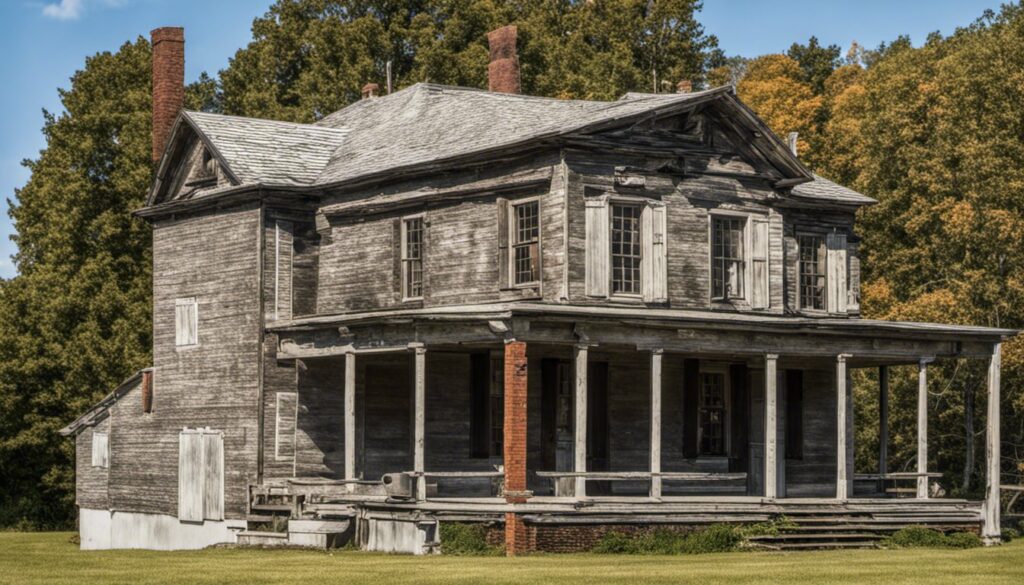
The McIntire Garrison House is a historic structure in York, Maine. The house was built in 1707 and served as a fortified home during the French and Indian Wars. It is open to the public and it shows colonial life in Maine directly.
Cushnoc Archeological Site

The Cushnoc Archeological Site is a historic Native American site in Augusta, Maine. The site was home to the Kennebec tribe. European colonists settled it later. It is open to the public. The exhibits cover Native American history and culture.
Maine’s historic districts and structures give you the state’s past from the ground up. Colonial history, Native American culture or the history of crime and punishment, there is a site here for it.
National Parks and Trails


Maine holds some of the better national parks and hiking trails in the United States. These are the two to drive to.
Acadia National Park

Acadia National Park sits in Bar Harbor, Maine, and it is among the most visited national parks in the country. With over 49,000 acres it carries wildlife and natural country across the range. Cadillac Mountain is in it, the highest point on the east coast of the United States.
The park runs hiking, biking, camping and wildlife watching. The Precipice Trail, the Jordan Pond Path and the Beehive Trail are the popular routes. Ranger-led programs and educational activities run there for every age.
Baxter State Park

Baxter State Park sits in northern Maine and it is proper wilderness. The park holds Mount Katahdin, the highest peak in Maine, and it gives you some of the most remote and rugged terrain in the state.
The park is known for its hiking, from easy family walks through to multi-day backpacking. The Katahdin Loop Trail, the Knife Edge Trail and the Chimney Pond Trail are the popular ones. Camping, fishing and wildlife watching all run there too.
Experienced hiker or somebody who wants to be out of contact for a week, Acadia National Park and Baxter State Park are the two national parks in Maine to drive to. Pack the bags and the boots.
Maine’s Maritime Heritage


Maine’s maritime past runs through the state’s history and its culture. The long coastline, with its lighthouses and fishing villages, is what built the maritime industry here.
The Maine Maritime Museum in Bath is where you pick that up. The museum holds a large collection of artifacts, ship models and paintings and photographs among them, carrying the story of Maine’s maritime history. The guided tour of the Percy & Small Shipyard shows you what is left of the yard that built some of the world’s best-known schooners, the Wyoming and the Bowdoin among them.
The Bowdoin is a central part of Maine’s maritime past. Built in 1921, the schooner was designed for Arctic exploration and used by Admiral Donald B. MacMillan on his expeditions. The Maine Maritime Academy now owns it and uses it as a training vessel for its students.
The other maritime stop is the Portland Head Light in Cape Elizabeth. This lighthouse, built in 1791, is among the most photographed in the country and it played a real part in Maine’s maritime history.
Maine’s maritime past is a serious part of the state’s history. The Maine Maritime Museum through to the Bowdoin schooner and the Portland Head Light, there are plenty of stops on that route.
Historical Gardens


Maine holds some of the better historical gardens in the United States. They give you the natural country and the state’s past at once. This is the famous one.
Coastal Maine Botanical Gardens

The Coastal Maine Botanical Gardens sit in Boothbay Harbor and they belong on any garden route. The garden runs 270 acres of plants, flowers and trees. It opens year-round and each season gives you a different version of it.
The Rhododendron Garden is the part people come to the Coastal Maine Botanical Gardens for. It runs over 100 varieties of rhododendrons and azaleas. There is a waterfall and several small ponds in it, which keeps the whole corner quiet.
The Children’s Garden at the Coastal Maine Botanical Gardens is the other one. It is built for children, with interactive exhibits and activities through it. They can work through a treehouse, climb a giant spider web and get into a small stream.
The Coastal Maine Botanical Gardens belong on the route for anybody interested in historical gardens. The planting, the interactive exhibits and the activities together work at any age.
Frequently Asked Questions
What are the top historical sites to visit in Maine?
Maine holds a lot of historical sites carrying the state’s past. The Harriet Beecher Stowe House, the Maine State House, the Portland Head Light and the Wadsworth-Longfellow House are the ones to start with.
What is the history behind Maine’s oldest landmarks?
Maine’s oldest landmarks come out of the colonial era and the state’s maritime past. The Portland Observatory was built in 1807 and worked as a lookout tower for incoming ships. The Pemaquid Point Lighthouse, built in 1827, guided ships through difficult water off the Maine coast.
Which famous people have ties to Maine’s landmarks?
Maine has housed a lot of well-known people and some of its landmarks carry them. The poet Henry Wadsworth Longfellow grew up in the Wadsworth-Longfellow House in Portland. The author Harriet Beecher Stowe wrote Uncle Tom’s Cabin while living in Brunswick, and her former home is a museum now.
What events take place at Maine’s famous landmarks?
Maine’s landmarks run events through the year, guided tours, historical reenactments and cultural festivals among them. The Portland Head Light runs an annual lighthouse lovers’ weekend, and the Maine State House runs guided tours of the building and its grounds.
What natural resources can be found at Maine’s historical sites?
Maine’s historical sites usually sit in good country, so you get the views and the outdoor hours alongside the history. Acadia National Park runs hiking trails and beaches with the Maine coast out in front of them.
How many historical landmarks are there in Maine?
Maine holds over 1,000 historical landmarks, buildings and sites and districts listed on the National Register of Historic Places. They run from colonial-era forts through to 19th-century mansions and industrial sites that shaped the state.
Frequently asked questions about Historical Sites and Famous Landmarks in Maine
Which lighthouses in Maine are worth building a coastal drive around?
Portland Head Light sits in Cape Elizabeth and it has been working right since the whole year of 1791. The Nubble Lighthouse stands on a small rocky island right off the whole of the coast of York. Sohier Park out there is where you get the whole view of that second one. Drive.
How old is the Portland Observatory tower over in Portland, Maine?
The Portland Observatory was built right the whole way back in the year of 1807 out there. It is the only remaining maritime signal tower anywhere in the whole of the United States. Climbing it out there gives you the whole of the city and the harbor below it. Views.
How many historical landmarks are there across the whole of Maine?
Maine holds over 1,000 of the historical landmarks right across the whole of the state. Those buildings and sites and districts all sit on the National Register of Historic Places. They run from the colonial-era forts right through to the 19th-century mansions. Long drive.


