
Guide To Web 3.0
A Little History of the Internet
As a Web 3.0 company, we often get asked questions like “What is Web 3.0?”, “What does it mean?”, and “How can I invest in it?” To understand Web 3.0, it helps to look at what came before—Web 1.0, Web 2.0, and even Web 0, the early days of the internet. This gives us a clearer picture of how the internet has evolved and what Web 3.0 might bring. Let’s dive in.


Web 0 (zero)
The Birth Of The Internet
by Tim Berners-Lee
For those of you who are not old enough to remember what life was like before the internet, the horrors without the internet are:

- There was no Google, Yahoo or Bing (obviously) – searching for information meant going to the library or asking someone for advice. Life without search engine was hard. A quest in seeking new information meant a trip to the library, not at the cost of typing into the search box and clicking the “search button”
- There was no email service – Having to send information digitally was possible if you had a computer. You have to save your files into a floppy disk and PHYSICALLY send the disk to your target recipient. Otherwise, we still had to send documents physically by courier or snail mail (ever used a stamp?)
- Meeting friends – With the internet, smart phone and analog phones, a meetup with friends meant agreeing on a venue, date and time hours or days prior. No real time communication!
All thanks to the Father of the Internet – Tim Berners-Lee, and the predecessors before him, the World Wide Web was born out of the idea to build a network of networks.
Back at CERN in 1990, Tim Berners-Lee and his CERN colleagues developed HTML and the URL, giving rise to the World Wide Web’s original version.
What is Web 1.0?
The explosion of web publishing on the internet (1994 onwards)
In the early days of the internet (Web 1.0), the exchange of information on the internet was pretty much a one way street, publishers publish content and internet users consume the content. Back in those days, most of the web hosting was done by the ISP (http://www.yourisp.com/freehosting/yourusername) or from websites like Geocities. Web pages on the internet were “static” pages hand crafted by HTML – this meant only a small group of users who knew HTML could publish online.


Dotcom Bubble
The invention and growth of the internet attracted investors, leading to a surge of money into the tech sector and a bright outlook for its future. In the late 1990s, heavy investment in Internet-based companies caused a rapid rise in U.S. technology stock values, creating what became known as the “dotcom” bubble. Between 1995 and 2000, the tech-heavy Nasdaq index soared from under 1,000 to over 5,000. However, from 2001 to 2002, the bubble burst, plunging equities into a bear market; the Nasdaq dropped 77%, resulting in billions in losses and the collapse of many Internet companies.
Web 2.0 Rises From The Ashes
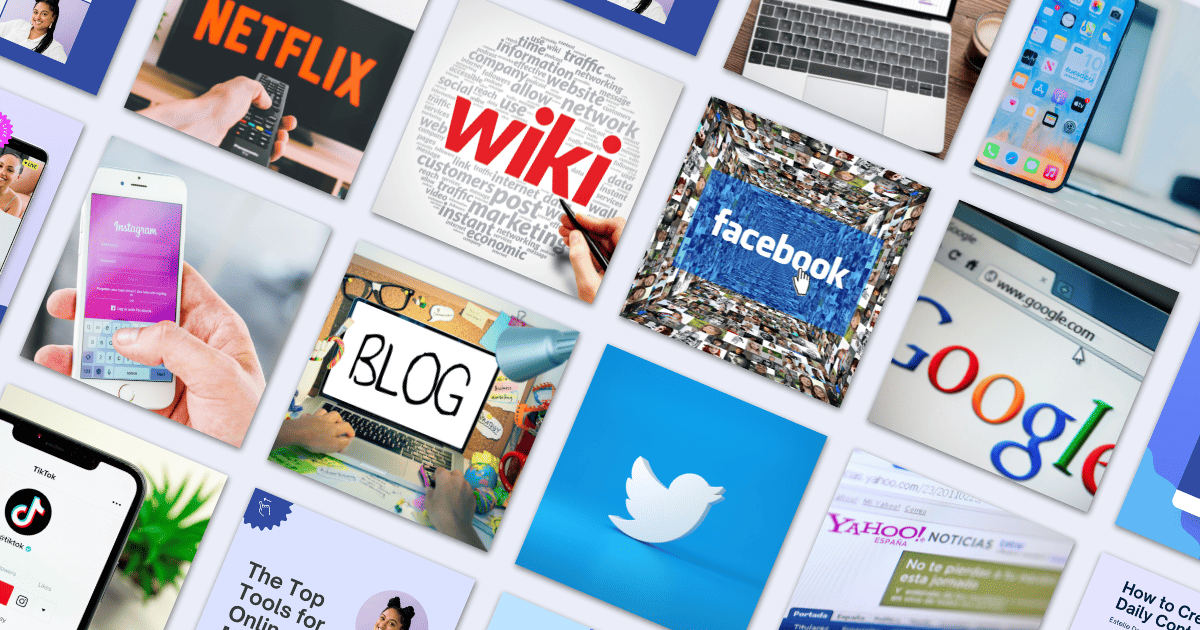
The internet didn’t go away with the bust of the DotCom Bubble, evolution of internet technologies continued and innovative companies mushroomed. Internet speed became faster and adoption of the internet continued at exponential rates.
The term “Web 2.0” first appeared in The First Web 2.0 Conference held in San Francisco on October 5-7, 2004 held by Tim O’Reilly and Dale Dougherty. It is a term that describes a shift in the usage of World Wide Web technology and web design that strives to improve creativity, secure information sharing, collaboration and the functioning of websites. In the years since, Web 2.0 has come to include the rise of blogging sites (blogger.com), social networking sites (myspace.com), video sharing and wikis (Wikipedia.com).
It is worth noting that the inventor of the internet, Tim Berners- Lee and others have argued that the name “Web 2.0” is meaningless because many of its underlying components have been in use for a long time. Many then had dismissed Web 2.0 as simply a “marketing buzzword” (sounds familiar? this is what Elon Musk commented on Web 3.0)
Right now, there is a general consensus that Web 2.0 is a “quantum” leap over Web 1.0 where publishers can interact meaningful with any internet users (blogging) and any internet user can interact with their friends and other internet users (social networking sites and community forums).
Deciphering Web 3.0
Lessons From History
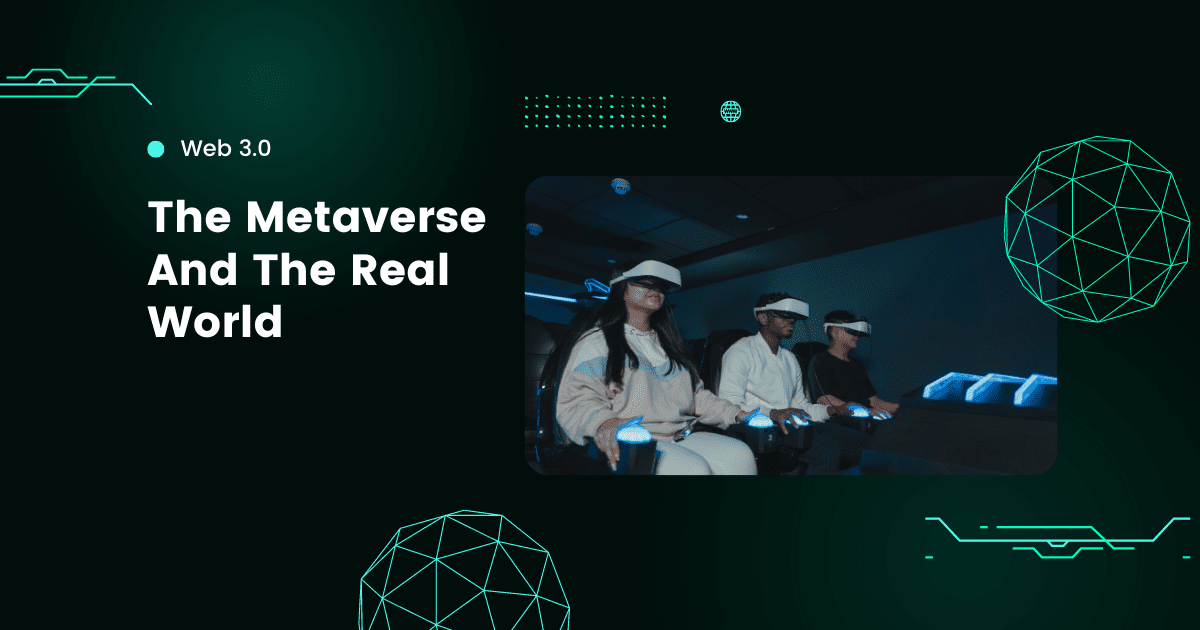
The invention of blockchain technologies, cryptocurrencies and NFTs are really exciting for the internet. The general consensus on Web 3.0 is that the internet will change drastically and exponentially more use cases for blockchain technologies will appear.
More industries will be disrupted, and perhaps one key feature of Web 3.0 will be the explosion of the “exchange of value” over the internet without the need for a trusted middleman like Paypal.
With blockchain technologies, any one can send value (payments or ownership of asset) via the internet at the click of a button. In the new Web 3.0 economy, billions around the world (even the bankless who have no access to bank accounts) can take part in this new evolution. Content creators can be tipped in small denomination (1/10 of a cent) frictionless-ly from a large fan base, celebrities can issue fan tokens around interesting tokenomics (example: fans with the most tokens get to dine with their idol or vote on where the next concert should be held), artists can monetize their digital work by selling NFTs.
The possibilities of Web 3.0 are endless.